What Water Extraction Actually Involves
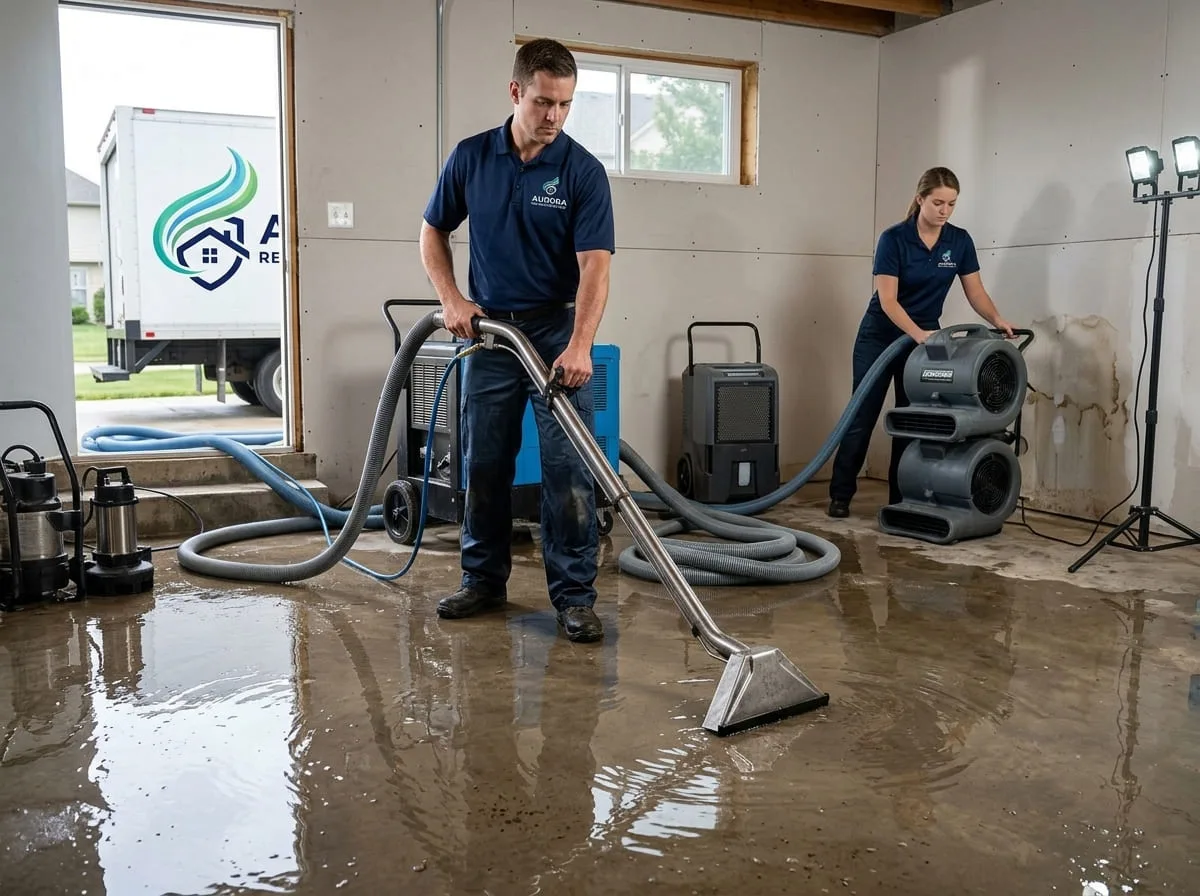
Water extraction is the physical removal of standing or pooled water from a structure, using pumps and vacuum extraction units rather than passive drying alone. It's the step that happens before dehumidification, because air movers can't do their job efficiently while water is still sitting on the floor or trapped in carpet padding.
Extraction and general water removal are often used interchangeably, but extraction specifically refers to the equipment-driven process of pulling water out of materials, not just off a visible surface.
Equipment Used for Extraction
Truck-Mounted Extraction Units
For larger volumes of water, truck-mounted extraction systems offer more suction power and can run continuously without the runtime limits of a portable unit. These are typically used for significant flooding events or larger commercial spaces.
Portable Extraction Equipment
Portable pumps and wet vacuums handle smaller jobs, tight spaces like crawl spaces, or situations where a truck-mounted hose can't reach, such as upper floors of a multi-story building.
Weighted Extraction Tools for Carpet and Padding
Carpet padding holds a surprising amount of water and rarely dries in place. Weighted extraction tools apply pressure to force water out of carpet fibers and the subfloor beneath, which speeds up the drying phase that follows.
Why Extraction Alone Isn't the Finish Line
Removing visible standing water addresses maybe half the problem. Materials like drywall, subfloor, and framing can hold significant moisture even after the surface looks dry, which is why extraction is followed by structural drying and moisture monitoring rather than treated as a one-and-done service. See structural drying and dehumidification for what happens next.
For a clearer breakdown of how extraction differs from the full restoration process, see water extraction vs. water damage restoration.
Common Situations That Require Extraction
Burst Pipes and Supply Line Failures
A burst pipe, especially one connected to Colorado's freeze-thaw weather pattern, can release a large volume of water in a short time. Extraction is typically the first on-site step once the water is shut off. Details specific to this cause are on the burst pipe water damage page.
Storm and Flash-Flood Water
Water that enters through a compromised roof during a hailstorm, or that backs up during flash flooding near drainages like Sand Creek or Toll Gate Creek, often requires extraction from multiple rooms or levels at once, particularly in basements. See flood damage cleanup for more.
Appliance and Fixture Overflows
Washing machines, water heaters, dishwashers, and overflowing tubs or toilets are among the most common residential extraction calls, usually contained to a single room or a floor below the source. More detail is available on the appliance leak and overflow cleanup page.
Residential and Commercial Extraction
A flooded basement in a single-family home and a flooded server room in a commercial building call for the same basic principle, fast water removal, but very different equipment scale and scheduling. Both scenarios are covered under residential water damage restoration and commercial water damage restoration.
How Extraction Equipment Is Matched to the Job
Reading the Water Source Before Choosing Equipment
Technicians assess how much water is present, whether the source is still active, and what materials it has reached before deciding between truck-mounted, portable, or specialty extraction tools. A finished basement with carpet calls for a different setup than a tiled bathroom overflow.
Extraction in Basements and Crawl Spaces
Because unfinished basements and crawl spaces are common throughout Aurora homes, a meaningful share of extraction calls happen in below-grade or confined spaces where portable pumps and vacuum units are more practical than truck-mounted equipment. See crawl space water damage for how access constraints shape that work specifically.
What Happens If Extraction Is Delayed
The longer standing water sits before extraction, the further it spreads into subfloor, drywall, and framing, and the more likely materials are to need replacement rather than drying. Delay also raises the risk that carpet padding, insulation, or other absorbent materials pick up enough moisture that drying alone won't fully resolve it.
This is part of why extraction is treated as a time-sensitive first step rather than something to schedule for a more convenient day.
Extraction for Residential vs. Commercial Properties
A single-family home extraction job is usually completed with one or two technicians and portable equipment, while a commercial space may need multiple crews and truck-mounted units running simultaneously to cover the square footage before water spreads further. Both scenarios are covered under residential water damage restoration and commercial water damage restoration.
Extraction Alongside Contents and Belongings
Standing water often affects furniture, boxes, and stored items along with the structure itself. Part of an extraction visit typically includes identifying which contents are salvageable and moving them out of the affected area so drying equipment can be positioned effectively without obstruction.
How Extraction Connects to the Rest of the Job
Extraction is the fastest-moving part of a water damage job, often completed within the first visit, while drying and any repairs take place over the days that follow. Treating extraction as the finish line rather than the starting point is a common misconception worth clearing up before crews leave the property.
Extraction Following a Major Storm
After a significant hailstorm or heavy rain event, extraction calls often cluster across a neighborhood at once, since the same weather that damaged one roof or overwhelmed one basement typically affected nearby properties too. Equipment availability and scheduling can be tighter during these periods, which is part of why calling as soon as water is discovered helps.
Extraction Is Not a One-Size Service
A single flooded room, a multi-room event, and a full basement flood all fall under water extraction, but the equipment, time, and technician count required differ significantly between them. An accurate assessment at the start of the job is what actually determines the right approach, rather than assuming every job looks the same.
Frequently Asked Questions
How is water extraction different from just mopping up water?+
Extraction uses pumps and vacuum equipment to pull water out of carpet, padding, and porous materials, not just off hard surfaces. Mopping addresses only what's visible and leaves moisture trapped underneath.
Can carpet and padding be saved after a water extraction?+
It depends on the water's contamination category and how long it sat before extraction began. Clean-water situations addressed quickly often allow carpet to be saved, while padding frequently needs replacement even when carpet is salvageable.
How long does the extraction process take?+
Extraction itself is usually completed within a few hours for a typical residential call, though larger floods or commercial spaces take longer. Extraction is only the first phase; drying continues after crews leave the initial visit.
Is extraction equipment loud or disruptive?+
Extraction units and the air movers that follow do produce noise, and truck-mounted equipment runs from a vehicle parked outside. Most residential jobs can still be occupied during the process unless contamination or safety concerns require otherwise.
Do you need extraction even if the water looks shallow?+
Yes, in most cases. Even a small amount of standing water can saturate carpet padding, subfloor, or the base of drywall, and that trapped moisture won't resolve on its own without extraction and follow-up drying.